Sewer System Replacement in Denver, CO
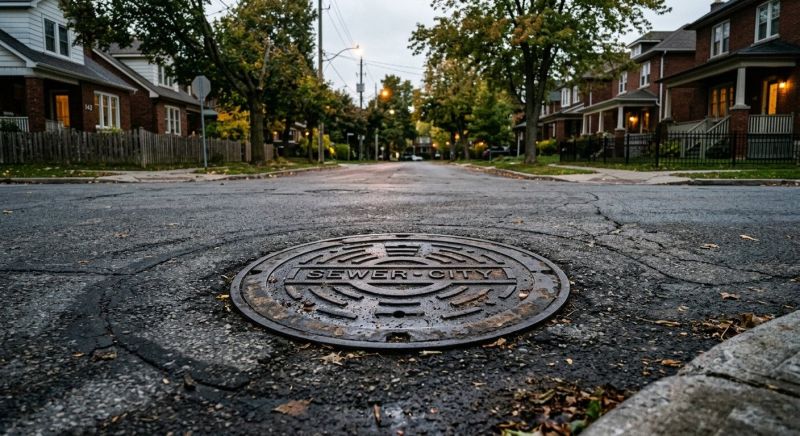
Sewer system replacement involves removing and installing new sewer lines to ensure proper waste removal from a property. This service typically covers projects such as replacing aging, damaged, or collapsed sewer pipes, upgrading outdated systems, or addressing persistent backups and leaks. Homeowners should understand the scope of the work, including the extent of excavation required and the type of piping used, to ensure the new system meets the property's needs and local codes.
Property owners often inquire about signs indicating the need for sewer replacement, such as frequent clogs, foul odors, or sewage backups. It’s also important to consider the condition of existing sewer lines, the age of the current system, and any recent plumbing issues that may suggest deterioration. Proper planning and understanding of the process can help homeowners make informed decisions about upgrading their sewer infrastructure effectively.
Many property owners in Denver, CO look into Sewer System Replacement for repairs, replacements, upgrades, and appearance-related improvements.
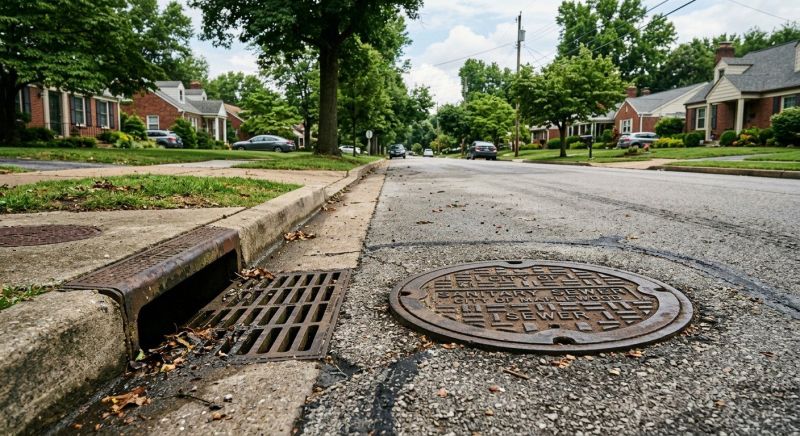
Signs You Need Sewer Replacement
Persistent backups or foul odors can indicate sewer system issues requiring replacement.
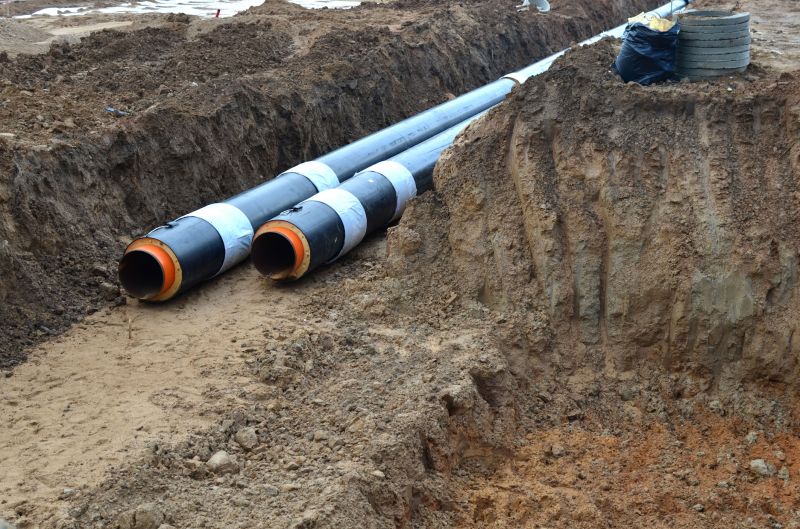
Benefits Of Sewer System Replacement
Upgrading your sewer lines can improve drainage and prevent costly property damage.
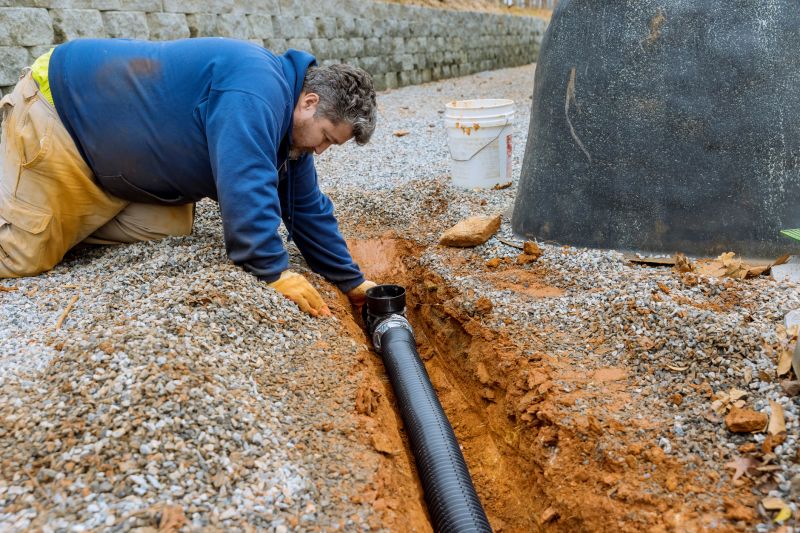
Common Replacement Methods
Trenchless and traditional methods are available to suit different property needs in denver, co.
Sewer System Replacement in Denver, CO

Sewer system replacement involves removing and installing new sewer lines to ensure proper waste removal from a property. This service typically covers projects such as replacing aging, damaged, or collapsed sewer pipes, upgrading outdated systems, or addressing persistent backups and leaks. Homeowners should understand the scope of the work, including the extent of excavation required and the type of piping used, to ensure the new system meets the property's needs and local codes.
Property owners often inquire about signs indicating the need for sewer replacement, such as frequent clogs, foul odors, or sewage backups. It’s also important to consider the condition of existing sewer lines, the age of the current system, and any recent plumbing issues that may suggest deterioration. Proper planning and understanding of the process can help homeowners make informed decisions about upgrading their sewer infrastructure effectively.
Many property owners in Denver, CO look into Sewer System Replacement for repairs, replacements, upgrades, and appearance-related improvements.
Common Sewer System Replacement Jobs
Sewer system replacement involves removing and installing new sewer lines to ensure proper waste flow.
Pipe upgrades are performed to replace aging or damaged sewer pipes that may cause leaks or backups.
Full sewer line replacement addresses severe blockages or deterioration that cannot be repaired through patching.
Trenchless sewer replacement offers a minimally invasive option for replacing pipes without extensive digging.
Main sewer line replacement involves upgrading the primary line that connects a property to the municipal sewer system.
Septic system replacement includes installing new septic tanks and drain fields for homes with on-site waste treatment.
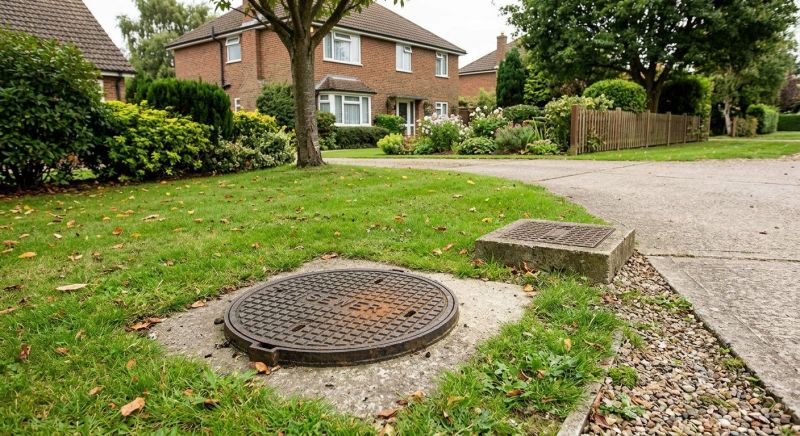
Sewer System Replacement Questions
What are signs that a sewer system needs replacement? Indicators include persistent backups, foul odors, slow drains, or frequent clogs in the property.
How does sewer system replacement differ from repair? Replacement involves removing and installing a new sewer line, typically when damage is extensive or repairs are not sufficient.
What types of sewer systems are commonly replaced? Both underground main sewer lines and smaller lateral lines can be replaced depending on the property’s needs.
What should property owners consider before replacing a sewer system? It’s important to evaluate the extent of damage, the age of existing pipes, and any local regulations affecting the project.
Request Sewer System Replacement in Denver, CO
Use the quote form on this page to share the basics of your project and request more information for the type of work you need.